
Now showing
7Reels: classic cinema in seven reels, from the 1920s to the 1980s, and where to watch it
From Chaplin, Keaton and Metropolis to Casablanca, Citizen Kane and It's a Wonderful Life, from Rear Window, Vertigo and Singin' in the Rain to Lawrence of Arabia, The Sting, E.T. and Ghostbusters, with Kurosawa, Bergman, Ozu and Tarkovsky beside them. Choose a reel, pick a classic and press Watch now.
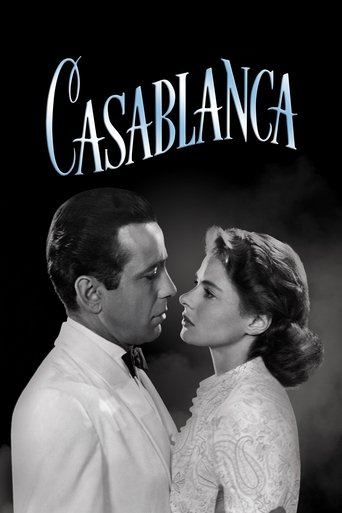 Admit oneCasablanca1943
Seven reels
Reel 1 · The 1920sSee all

Reel 2 · The 1930sSee all
Reel 3 · The 1940sSee all
Reel 4 · The 1950sSee all
Reel 5 · The 1960sSee all

Reel 6 · The 1970sSee all
Reel 7 · The 1980sSee all
Classic televisionSee all
App, domains and helpSee all
- How to watch with 7ReelsFrom the reel to the screen.
- The seven reelsA century of cinema, decade by decade.
- Hitchcock on 7ReelsThe master of suspense.
- World classics on 7ReelsEurope, Japan and the Soviet Union.
- Silent filmsWhere the reels began.
- Subtitles and restorationsWatching classics comfortably.
- The official 7Reels siteRecognising 7Reels.
- Is 7Reels working?A quick check and simple fixes.
- Where 7Reels titles streamThe official services behind the guide.
- Apps and devicesPhones, tablets, laptops, consoles and TVs.
- Free classicsLegal ways to watch at zero cost.
- Streaming safelyA short checklist.
- Finding a titleSearch, reels and A-Z.
- My ListYour personal programme.
- Classic television on 7ReelsThe great series of the small screen.
7Reels: classic cinema in seven reels, from Chaplin and Casablanca to Hitchcock, Kurosawa and E.T.
In the early days of cinema, films were measured in reels. A single reel of film ran for about ten to twelve minutes, and a feature film of the silent era and the early sound years usually filled around seven of them. 7Reels takes its name from that old unit of cinema and turns it into a way of travelling through film history: seven reels, one for each decade from the 1920s to the 1980s. Reel 1 is the silent era, Reel 2 the coming of sound, Reel 3 the war years and film noir, Reel 4 the age of widescreen and Technicolor, Reel 5 the new waves and the epics, Reel 6 the new Hollywood, and Reel 7 the blockbusters and auteurs of the 1980s. Every film has a Watch now button that opens it on the official services in your country.
Classic films are some of the richest pleasures on any screen. They invented the language of cinema that every modern film still speaks, and many of them are as funny, thrilling and moving today as they were on their first night. 7Reels gathers the best-loved of them in one place, from Hollywood, Britain, France, Italy, Japan, Germany, Sweden and the Soviet Union, alongside a small shelf of classic television.
The 7Reels design
The addresses under the name 7Reels belong to an online casino and an empty page, so the casino is left aside entirely and the design of 7Reels is original. It is built from the film meaning of the name and imagined as an Art Deco picture palace of the 1930s. The header is a velvet curtain of deep burgundy, edged with a row of glowing marquee bulbs. The logo is a gold film reel with five dark spokes, followed by the name in gold. The page itself is the colour of old cream programme paper, with panels framed by double gold rules, the kind of detail you might find on a cinema ticket or a theatre programme.
Headings are set in Playfair Display, an elegant high-contrast serif, navigation is set in Josefin Sans, a geometric typeface with the spaced capitals of Deco signage, and the text is set in Libre Franklin, a clear and friendly sans serif. Posters sit in thin gold frames with a light sepia wash that lifts away when you point at them, as if the house lights were coming up.
The marquee
The header stays at the top of every page. A row of marquee bulbs runs along its top edge, the gold reel logo sits in the centre, and a search box with a gold border waits on the right for a title, a star or a director. Beneath them, a row of small gold capitals links to the main shelves: Home, Reel 1, Reel 4, Reel 7, Hitchcock, World classics, the A-Z index and My List. The page you are on is underlined in gold. On a phone, the links fold into a menu button that opens the search box and every section.
Now showing
The home page opens with a cream panel framed in double gold, with a small Now showing line, the headline and a short introduction. Beside it sits a ticket: a poster on the left, a dashed perforation, and a velvet stub reading Admit one with the title and year of the featured film. The featured films change from time to time, and today they include Casablanca, Singin' in the Rain, Rear Window, Lawrence of Arabia, Ikiru and Some Like It Hot.
The seven reels
Below the ticket comes the heart of the design: a strip of seven gold film reels, each numbered from 1 to 7, labelled with its decade and the number of films it holds. Each reel is a link to its collection, so the whole history of cinema from the 1920s to the 1980s is laid out in a single row. The reels lift gently under the pointer, and on a phone they wrap into two neat columns.
Reel 1: the silent era
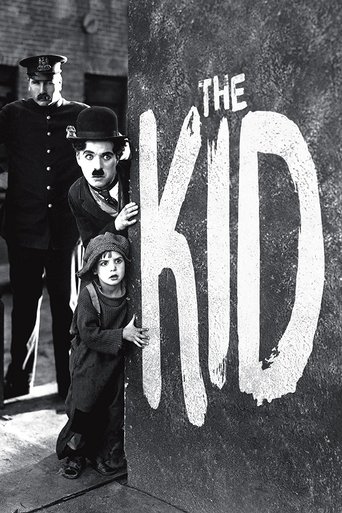
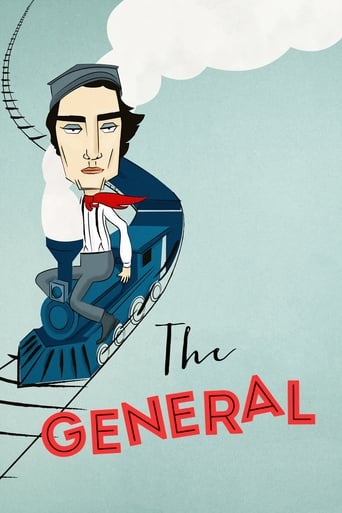
The first reel is the silent era, when stories were told through images, music and a few words of text on the screen. It was the age of the great clowns. Charlie Chaplin's tramp stars in The Kid, The Gold Rush and The Circus, mixing slapstick with real tenderness, and Buster Keaton performs astonishing stunts with a perfectly straight face in The General, Sherlock Jr. and The Cameraman. Harold Lloyd hangs from the hands of a clock high above the street in Safety Last!, one of the most famous images of the whole silent era.
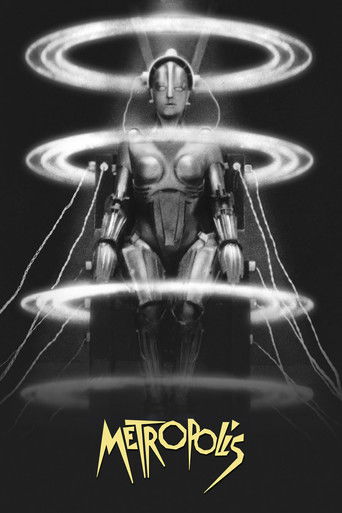
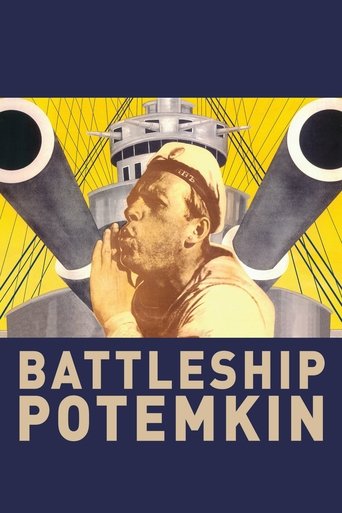
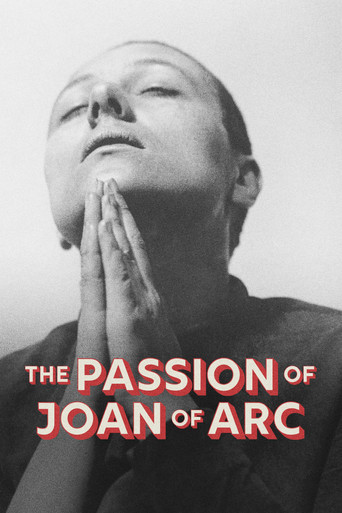
The silent era was also a time of great visual ambition. Metropolis imagines a gleaming city of the future divided between rich and poor, Sunrise: A Song of Two Humans is a luminous love story, The Passion of Joan of Arc tells the trial of Joan in overwhelming close-ups, and Battleship Potemkin invented new ways of cutting a film together. Wings won the first Academy Award for the best picture, and Steamboat Willie introduced the world to Mickey Mouse with synchronised sound. The silent films guide suggests where to start.
Reel 2: the 1930s
The second reel brings the coming of sound, and with it the screwball comedy, the musical and the gangster film. It Happened One Night swept the major Oscars with its runaway heiress and wisecracking reporter, Bringing Up Baby pairs Katharine Hepburn and Cary Grant with a leopard, and My Man Godfrey and The Awful Truth are among the sharpest comedies ever made. Top Hat sets Fred Astaire and Ginger Rogers dancing across art deco sets, and A Night at the Opera and Duck Soup unleash the Marx Brothers.
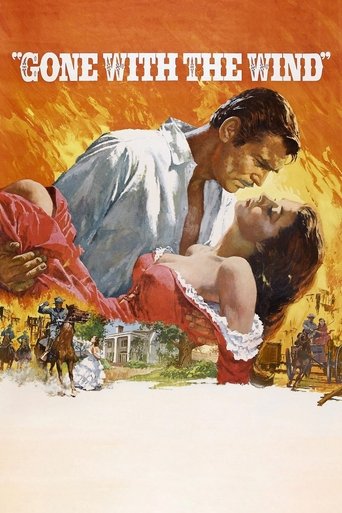
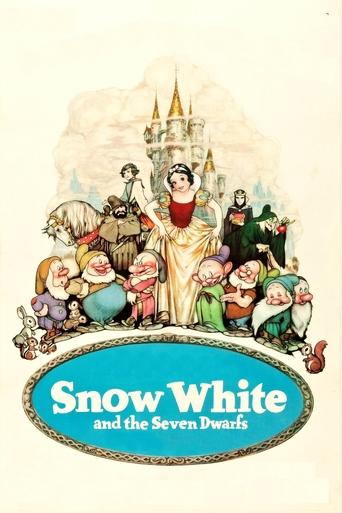
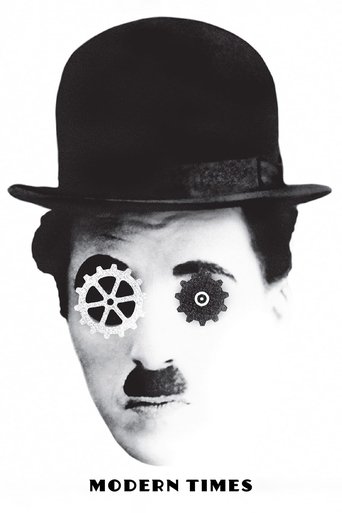
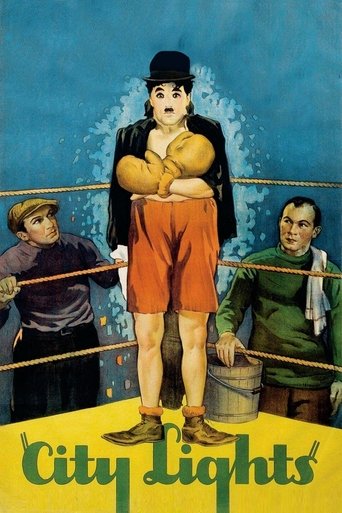
The decade also brought Modern Times and City Lights, in which Chaplin kept his tramp almost silent even as sound took over, the adventure of The Adventures of Robin Hood in glorious Technicolor, and the frontier drama of Stagecoach, which made John Wayne a star. Snow White and the Seven Dwarfs was the first full-length animated feature from Disney, Gone with the Wind became one of the most successful films of all time, and Alfred Hitchcock made his name in Britain with The 39 Steps and The Lady Vanishes.
Reel 3: the 1940s
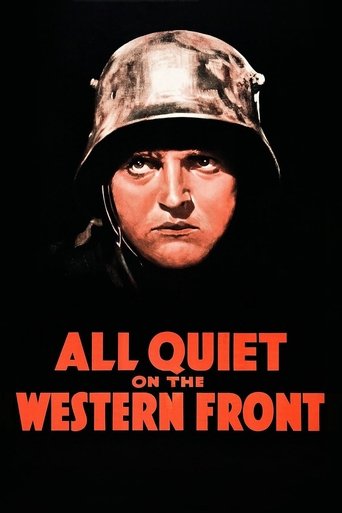
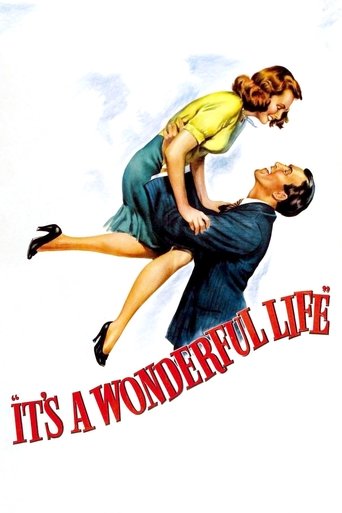
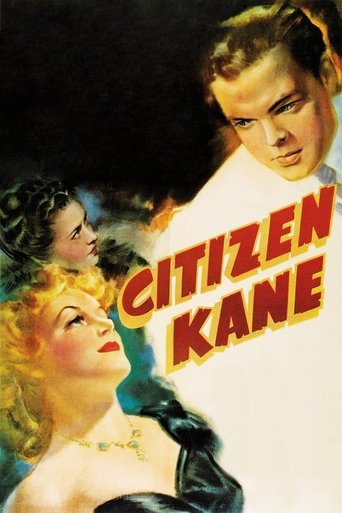
The third reel covers a decade of war and its shadows. Casablanca follows a cynical café owner in wartime Morocco who must choose between love and doing the right thing, and its lines are among the most quoted in film history. Citizen Kane reinvented how films could be shot and told, It's a Wonderful Life follows a small-town man shown how many lives he has touched, and The Best Years of Our Lives follows three servicemen coming home.
The 1940s were also the golden age of film noir, with its shadows, rain-slicked streets and doomed heroes. The Maltese Falcon and The Big Sleep made Humphrey Bogart the definitive private eye, Double Indemnity and Out of the Past follow men led astray, and Laura and Gilda are dreamlike mysteries. The Third Man follows an American writer through the ruins of postwar Vienna to the sound of a single zither. Elsewhere, The Philadelphia Story and His Girl Friday kept screwball comedy alive, and The Red Shoes and Black Narcissus showed what Technicolor could do in the hands of Powell and Pressburger.
Reel 4: the 1950s
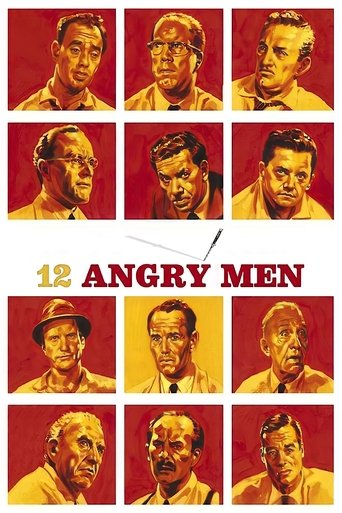
The fourth reel is the age of widescreen, Technicolor and grand ambition. Singin' in the Rain is perhaps the most joyful musical ever made, a comedy about Hollywood's own awkward switch from silence to sound, with Gene Kelly dancing through a downpour. Some Like It Hot sends two musicians on the run disguised as women in an all-female band, Roman Holiday gave Audrey Hepburn her first great role as a princess escaping for a day in Rome, and Sunset Boulevard and All About Eve take a sharp look at fame. 12 Angry Men sets a whole drama in a single jury room, and On the Waterfront gave Marlon Brando one of his defining roles.
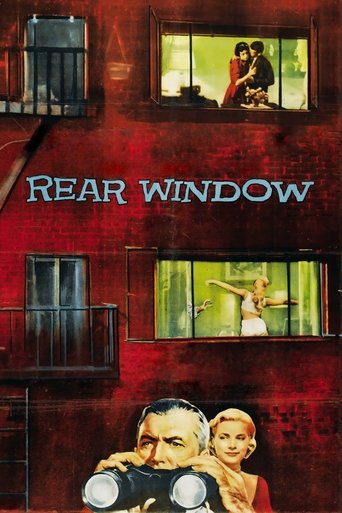
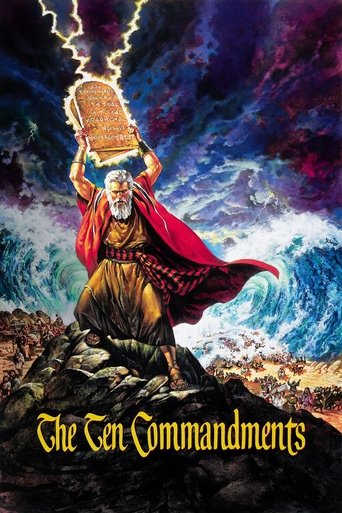
The 1950s were the peak of Hitchcock's Hollywood years, with Rear Window, Vertigo, North by Northwest, Dial M for Murder, Strangers on a Train and To Catch a Thief. They were also a great decade for westerns, from High Noon and The Searchers to Rio Bravo, and for spectacle, from Ben-Hur and its chariot race to The Ten Commandments. East of Eden gave James Dean the first of the three roles that made him a legend, and The Night of the Hunter is one of the most haunting films of any decade.
Reel 5: the 1960s
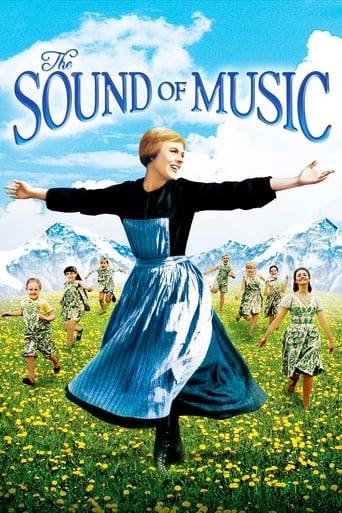
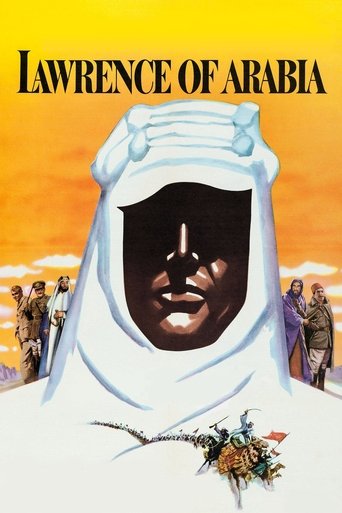
The fifth reel is a decade of change. Lawrence of Arabia is the grandest of desert epics, filmed in the real deserts of Jordan, Morocco and Spain, and Doctor Zhivago sweeps across revolutionary Russia. The Apartment is Billy Wilder's bittersweet office comedy, To Kill a Mockingbird follows a lawyer defending a Black man in the American South through his daughter's eyes, and The Graduate captured the restlessness of a new generation. The Sound of Music, My Fair Lady and West Side Story made the 1960s a golden decade for musicals.
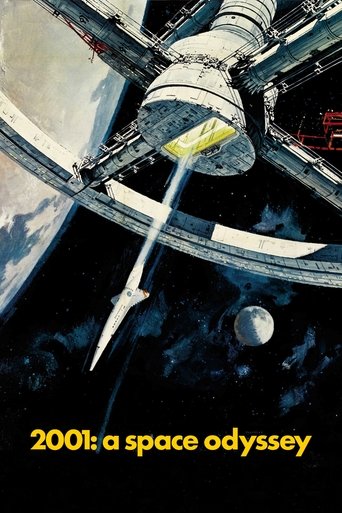
The 1960s also brought James Bond to the screen, from the very first Bond film of 1962 and From Russia with Love to Goldfinger, Thunderball and You Only Live Twice, and great adventures such as The Great Escape, The Magnificent Seven, The Guns of Navarone and Where Eagles Dare. 2001: A Space Odyssey changed science fiction forever, Planet of the Apes gave it one of its most famous endings, and Butch Cassidy and the Sundance Kid and Bonnie and Clyde reinvented the outlaw film.
Reel 6: the 1970s
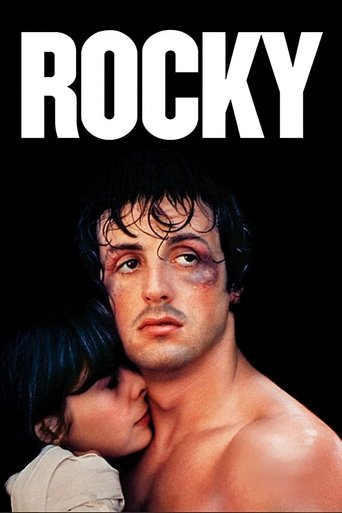
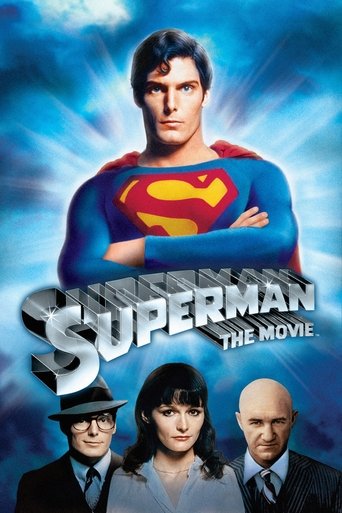
The sixth reel is the decade often called the new Hollywood, when young directors took creative control. Chinatown is a masterpiece of mystery set in 1930s Los Angeles, The Sting reunites Paul Newman and Robert Redford as con men, Dog Day Afternoon turns a bank robbery into a human drama, and The French Connection features one of cinema's great car chases. Rocky made Sylvester Stallone a star with its underdog boxer, Close Encounters of the Third Kind brought Steven Spielberg's wonder to the stars, and Superman made audiences believe a man could fly.
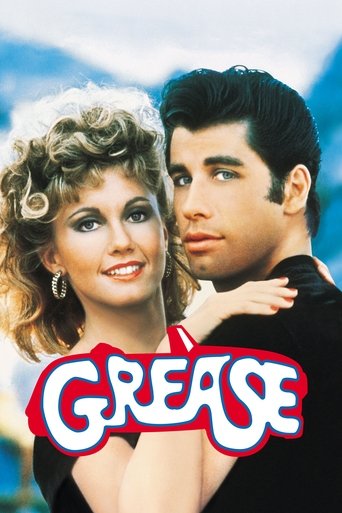
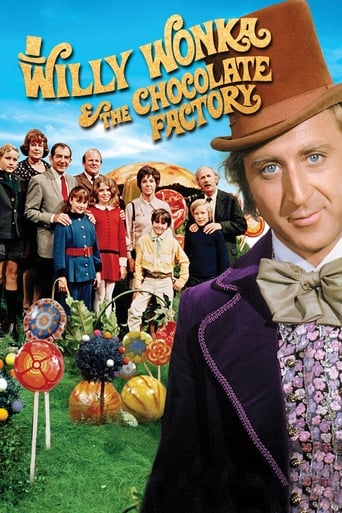
The 1970s were also a golden age of comedy, with Young Frankenstein, Blazing Saddles, Monty Python and the Holy Grail and Life of Brian, and of family films, with Willy Wonka & the Chocolate Factory, The Aristocats, Robin Hood and The Rescuers. Grease became one of the biggest musicals of all, Enter the Dragon made Bruce Lee a worldwide legend, and Murder on the Orient Express gathered a starry cast for Agatha Christie's most famous puzzle.
Reel 7: the 1980s
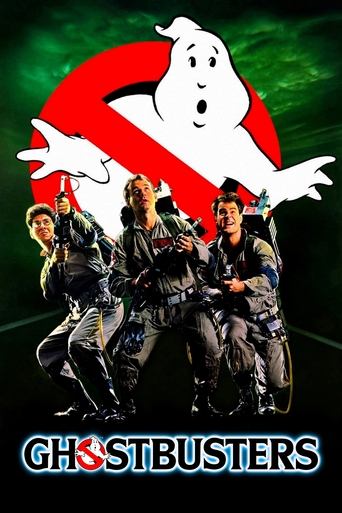
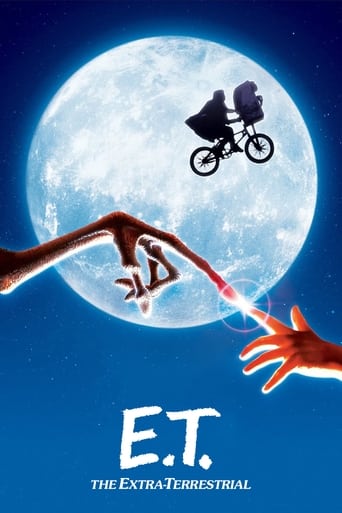
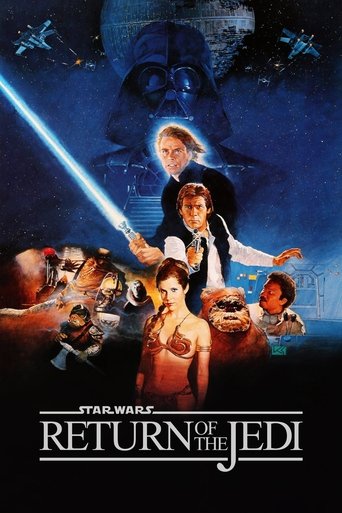
The seventh reel closes the collection with the 1980s, a decade of blockbusters and bold auteurs. E.T. the Extra-Terrestrial is Spielberg's tender story of a boy and a stranded alien, Ghostbusters turned supernatural comedy into a phenomenon, and Return of the Jedi completed the original Star Wars trilogy. Batman brought Tim Burton's gothic Gotham to life, The Karate Kid taught a generation wax on, wax off, and Coming to America, Trading Places and The Naked Gun: From the Files of Police Squad! kept audiences laughing.
Around the world, the 1980s brought Kagemusha from Akira Kurosawa, Fanny and Alexander from Ingmar Bergman, Das Boot from Germany, Wings of Desire from Wim Wenders and The Big Blue from Luc Besson. The Reel 7 collection is the bridge between the classics and the films of today.
Alfred Hitchcock
Alfred Hitchcock, the master of suspense, has the biggest shelf of any director on 7Reels, whose films span four of the seven reels. His British years produced the silent thriller The Lodger: A Story of the London Fog, the chase of The 39 Steps and the train mystery of The Lady Vanishes. In Hollywood he made Rebecca, which won the Oscar for best picture, the small-town menace of Shadow of a Doubt, the romantic espionage of Notorious and the single-set experiment of Rope.
The 1950s brought his greatest run: Strangers on a Train, Dial M for Murder, Rear Window, To Catch a Thief, Vertigo and North by Northwest, and he made two versions of the same story, The Man Who Knew Too Much in 1934 and The Man Who Knew Too Much in 1956. On television, Alfred Hitchcock Presents brought his wry introductions into living rooms every week. The Hitchcock shelf gathers them all, and the Hitchcock guide suggests an order.
Akira Kurosawa
Akira Kurosawa is one of the most influential directors who ever lived, and his films shaped westerns, war films and blockbusters around the world. Drunken Angel began his partnership with the actor Toshiro Mifune, Ikiru follows a quiet civil servant who learns he has only months to live and resolves to do one good thing, and Throne of Blood moves Macbeth to feudal Japan. The Hidden Fortress inspired George Lucas when he created Star Wars, High and Low is a gripping kidnapping thriller, and Red Beard, Dersu Uzala and Kagemusha show his humanity and his command of spectacle.
Japanese classics
Beyond Kurosawa, Japanese cinema offers some of the most beautiful films on 7Reels. Tokyo Story and Late Spring, by Yasujirō Ozu, are quiet, profound family dramas filmed from a low, calm camera. Harakiri is a devastating samurai drama about honour and hypocrisy, and Merry Christmas, Mr. Lawrence follows prisoners of war in Java, with David Bowie and Ryuichi Sakamoto, who also wrote its famous music. For lighter fun, Destroy All Monsters and Invasion of Astro-Monster let Godzilla and his fellow kaiju loose.
Ingmar Bergman and Sweden
Ingmar Bergman made some of the most searching films in cinema, and 7Reels gathers many of them. The Seventh Seal follows a knight who plays chess with Death during the plague, one of the most famous images in film history. Wild Strawberries follows an old professor on a journey through his memories, Persona is a mysterious study of two women, and Fanny and Alexander is a warm, sweeping family saga seen through the eyes of a child. Smiles of a Summer Night shows his gift for comedy, and Autumn Sonata pairs Ingrid Bergman and Liv Ullmann as mother and daughter.
Sweden also gave the world gentler classics. Pippi Longstocking brings Astrid Lindgren's strongest girl in the world to the screen, Ronia: The Robber's Daughter follows a girl who grows up in a robber's castle, and My Life as a Dog is a funny, tender story of a boy sent to live in the countryside in the 1950s.
Italian classics
Italian cinema gave the world neorealism, the art of telling stories about ordinary people in real streets. Bicycle Thieves follows a father and his young son searching Rome for a stolen bicycle he needs for work, one of the most moving films ever made. The Leopard is Luchino Visconti's sumptuous portrait of a Sicilian prince in the 1860s, The Battle of Algiers recreates the Algerian struggle for independence with documentary force, and The Conformist is a stylish study of a man who wants above all to fit in. We All Loved Each Other So Much follows three friends across thirty years of Italian life. For fun, the spaghetti westerns They Call Me Trinity and My Name Is Nobody turn the genre into knockabout comedy.
French classics
France gave cinema the New Wave, a group of young critics turned directors who broke the rules with joyful energy. Breathless, by Jean-Luc Godard, follows a charming small-time crook and an American student in Paris, with jump cuts that shocked audiences in 1960. Cléo from 5 to 7, by Agnès Varda, follows a singer through two hours in Paris as she waits for news from her doctor, Stolen Kisses follows François Truffaut's Antoine Doinel into young adulthood, and Masculin Féminin captures Parisian youth of the mid-1960s. Hiroshima Mon Amour is a poetic meditation on memory by Alain Resnais.
French cinema also excels at crime and suspense. Le Samouraï follows a silent, meticulous hitman played by Alain Delon, Army of Shadows follows the French Resistance with grave power, and Purple Noon is a sunlit adaptation of The Talented Mr. Ripley. The Discreet Charm of the Bourgeoisie is Luis Buñuel's comic dream of dinners that keep being interrupted, La Cage aux Folles is one of the most successful French comedies ever, and The Twelve Tasks of Asterix is a much-loved animated adventure.
German classics
German cinema has been among the most inventive from the very beginning. Metropolis and The Last Laugh showed what silent film could achieve, M follows a city hunting a child murderer in Fritz Lang's first sound film, and The Testament of Dr. Mabuse continued Lang's tales of a criminal mastermind. The Blue Angel made Marlene Dietrich a star. In the 1970s the New German Cinema brought Aguirre, the Wrath of God and Fitzcarraldo by Werner Herzog, both filmed deep in the Amazon, The Enigma of Kaspar Hauser, The Marriage of Maria Braun by Rainer Werner Fassbinder and Alice in the Cities and The American Friend by Wim Wenders. From Austria and Germany, Sissi and Sissi: The Young Empress are romantic period favourites, and Bagdad Cafe is a warm, quirky comedy set in the Mojave Desert.
Soviet classics
Soviet cinema produced some of the boldest films of the century. Battleship Potemkin by Sergei Eisenstein, with its famous Odessa Steps sequence, changed film editing forever, and his Ivan the Terrible, Part I and Ivan the Terrible, Part II: The Boyars' Plot are towering historical dramas. The Cranes Are Flying and Ballad of a Soldier are moving stories of love and loss in the Second World War, War and Peace is a vast adaptation of Tolstoy, and The Ascent is a stark wartime drama.
Andrei Tarkovsky made some of the most beautiful films in all of cinema: Ivan's Childhood, Andrei Rublev, Solaris, Mirror, Stalker and Nostalgia. And Soviet audiences loved their comedies, from Operation Y and Other Shurik's Adventures and Kidnapping, Caucasian Style to The Diamond Arm and Ivan Vasilyevich Changes His Profession, which remain family favourites across the former Soviet Union. The world classics guide has more.
Disney classics
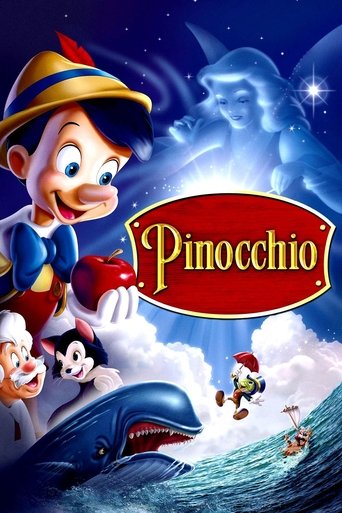
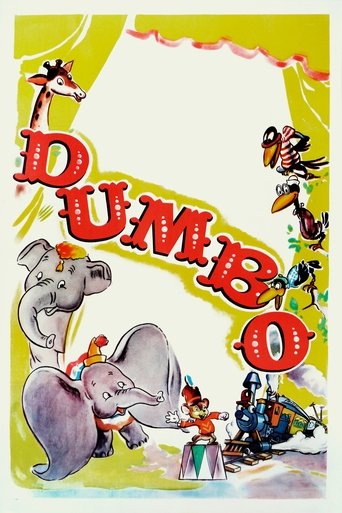
The golden age of Disney animation spans five of the seven reels. Snow White and the Seven Dwarfs was the first full-length animated feature from the studio, and Pinocchio, Fantasia, Dumbo and Bambi followed within five years, each a landmark of hand-drawn artistry. Cinderella, Alice in Wonderland, Peter Pan and Lady and the Tramp brought the 1950s to life, One Hundred and One Dalmatians and The Jungle Book carried the studio into the 1960s, and The Aristocats, Robin Hood and The Rescuers kept the magic going in the 1970s. Saludos Amigos and The Three Caballeros took Donald Duck to Latin America during the war years.
Bond in the 1960s and 1970s
The Bond shelf follows the first two decades of the world's most famous spy. Sean Connery defined the role in From Russia with Love, Goldfinger, Thunderball, You Only Live Twice and Diamonds Are Forever, and George Lazenby took a single, much-loved turn in On Her Majesty's Secret Service. Roger Moore brought a lighter touch to Live and Let Die, The Man with the Golden Gun, The Spy Who Loved Me and Moonraker. Watched in order, the films are a tour of the fashions, gadgets and villains of their age.
Westerns
The western was Hollywood's great classic genre, and the Westerns collection gathers many of the finest. Stagecoach made John Wayne a star, My Darling Clementine retells the gunfight at the O.K. Corral, and Red River follows a cattle drive across Texas. High Noon unfolds in something close to real time as a marshal waits for a gang to arrive, The Searchers follows a long, troubled search across the frontier, and Rio Bravo is an easygoing classic about a sheriff and his unlikely friends. The Man Who Shot Liberty Valance, The Magnificent Seven, The Wild Bunch and Butch Cassidy and the Sundance Kid carry the genre into the 1960s.
Classic television
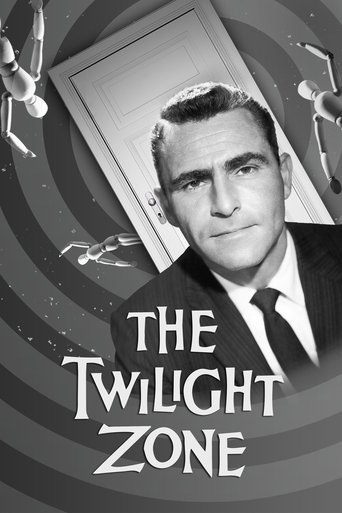
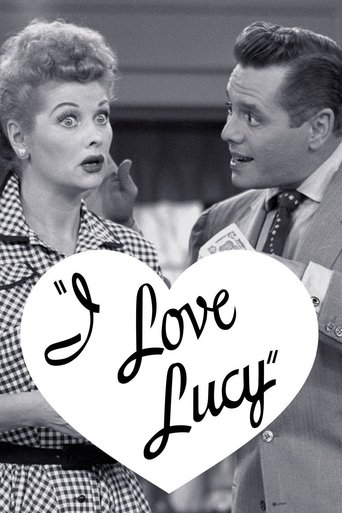
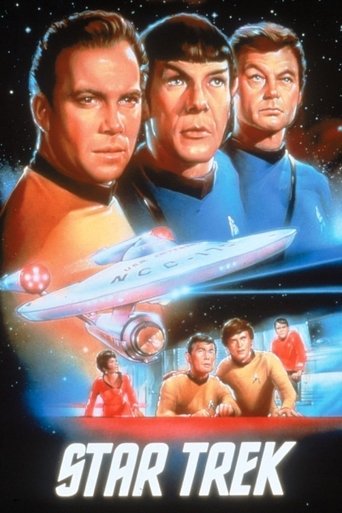
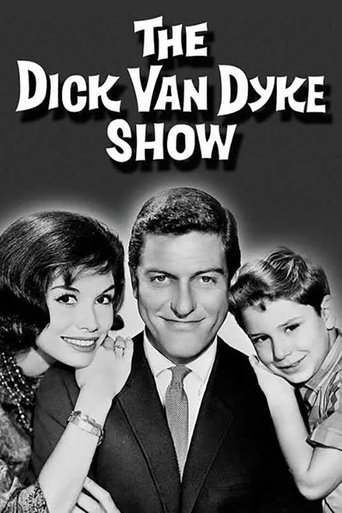
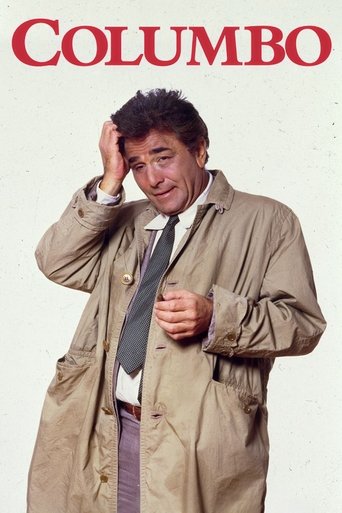
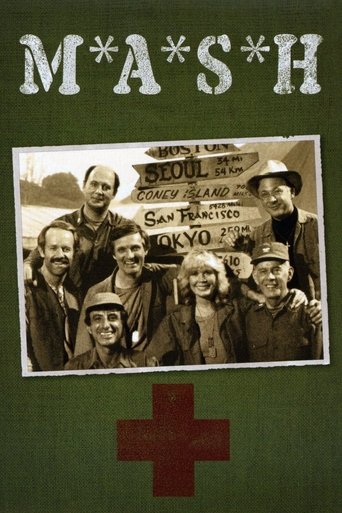
7Reels also keeps a small shelf of classic television, the great series of the 1950s to the 1980s. I Love Lucy set the pattern for the television sitcom with Lucille Ball's brilliant physical comedy, and The Dick Van Dyke Show refined it. Alfred Hitchcock Presents and The Twilight Zone told a complete, twisty story each week, and Rod Serling's introductions to The Twilight Zone became famous in their own right. Star Trek boldly went where science fiction had rarely gone on television, Columbo turned the detective story inside out by showing the murder first, M*A*S*H mixed comedy and heart in a Korean War field hospital, and Fawlty Towers packed an entire legend into twelve episodes. The television guide has more.
Comedy through the decades
Comedy runs through every reel. The silent clowns, the screwball couples of the 1930s, the sparkling Wilder comedies of the 1950s and 1960s, the Mel Brooks and Monty Python parodies of the 1970s and the high-concept hits of the 1980s all sit on the Comedy shelf. Put The General, Bringing Up Baby, Some Like It Hot, Young Frankenstein and Ghostbusters side by side and you have a history of laughter across sixty years.
Restorations and subtitles
Classic films look better today than at any time since their premieres. Many of the titles on 7Reels have been restored from their original negatives, frame by frame, with scratches removed and colours returned to their first brilliance, and several are available in high definition or even 4K. Foreign-language classics come with subtitles in many languages, and the intertitles of silent films are often translated too. Many services also offer audio description and subtitles for the deaf and hard of hearing. The subtitles guide explains how to switch them on in the popular apps.
How Watch now works
Every title page carries a country selector and a Watch now button. Choose your country and press it, and the film's page on JustWatch opens, listing the services that carry it where you live: subscriptions, classic film services, free services with adverts and stores where you can rent or buy a restored edition. Pick one and the film opens in that service's own player. Classic films move between services often, especially in anniversary years, which is why 7Reels checks JustWatch each time instead of keeping a fixed list.
The services behind the guide
Specialist services such as the Criterion Channel and MUBI carry many of the world classics in the countries where they operate, and national film archives and broadcasters often stream classics of their own countries. Big platforms such as Prime Video, Max and Disney+ carry many studio classics, including the Disney animated films and the Hollywood films of the 1940s and 1950s, depending on your country. Apple TV, Google TV and Prime Video rent and sell restored editions. The services guide gives a short tour.
Free classics
Classic cinema is one of the easiest kinds of film to watch for free legally. Some of the oldest films have entered the public domain in some countries, free services with adverts such as Tubi and Pluto TV carry many classics, and library services such as Kanopy and Hoopla offer a wide selection with a library card. When you press Watch now and choose your country, JustWatch shows any free options beside the paid ones. The free classics guide has the details.
Apps and devices
Classic films were made for the big screen, and a modern television does them justice. 7Reels works in every modern browser, so you can plan your programme on a phone, and the films play in each service's official app on your television, from Fire TV, Google TV, Apple TV or Roku to consoles and smart TVs. Casting sends a phone's picture to the TV in a couple of taps. The apps and devices guide covers each one.
My List
My List is your personal programme. Press Add to My List on any title page to save it, and on the pages of the classic series mark the episode you reached, which is handy for long runs such as Columbo, M*A*S*H or The Twilight Zone. Many visitors use it to plan a whole season of classics, one reel at a time.
The list stays in the browser where you made it, private to you and ready from the first click, with zero accounts to create. To bring it to another device, export it as a small file and import that file on the other side. The My List guide explains each step, and the My List link in the navigation opens your list from any page.
Finding a film
The search box accepts titles, original titles, stars and directors, so Casablanca, Humphrey Bogart or Michael Curtiz will all lead to the same film. Press Enter for the full results page, where you can filter by type, genre and year. The seven reels sort the catalogue by decade, the director shelves gather Hitchcock, Kurosawa and Bergman, and the A-Z index lists every title in alphabetical order. The finding a title guide has more tips.
The official 7Reels site
The official 7Reels site is easy to recognise: a velvet marquee header with glowing bulbs, a gold film-reel logo, small gold capitals for navigation, cream panels with double gold frames, a ticket-shaped feature with an Admit one stub, seven gold reel badges and posters in thin gold frames. Every Watch now button leads to JustWatch and from there to the official services. The official site guide describes it in detail.
Streaming safely
A few good habits keep streaming safe. Install service apps from Google Play, the App Store or your television's own store. Give every service its own strong password and switch on two-step sign-in. Before paying for anything, check that the address bar shows the real name of the service. 7Reels links to JustWatch, and JustWatch links to each official service, so every step stays on trusted ground. The safety guide has a short checklist.
Is 7Reels working?
If a page feels slow, try the quick test: open the home page, then any title page. If both load, 7Reels is up. A refresh, a cleared cache, another browser or another network fixes most slow pages. Films play on the streaming services, so their help centres answer playback questions. The site status guide lists the fixes in order.
Privacy
7Reels keeps very little. My List, your episode marks and your chosen country stay in your own browser. Posters and production details come from TMDB, the community-built film and television database, and every Watch now link goes to JustWatch. The privacy page sets it all out in plain words.
How the catalogue is chosen
The 7Reels catalogue gathers the best-loved films of 1920 to 1989, chosen decade by decade from the titles that audiences around the world have watched and rated most highly, together with a small shelf of classic television. It reaches beyond Hollywood to Britain, France, Italy, Japan, Germany, Sweden and the Soviet Union. Sex-led, exploitation and gore-led titles are left to other guides, and many famous classics that already appear on sister guides such as 1Flex and 7Movies are left there, so each guide keeps its own character.
The story of 7Reels
The name 7Reels has lived on the web as the name of a casino and of an empty page, and this 7Reels gives the name the meaning it always had in the cinema: a feature film of seven reels. It is a guide to the classics of seven decades, one reel at a time, with every film linked to the services that carry it officially.
Your first visit
On your first visit, choose a reel that matches your mood. If you want to laugh, start with Reel 1 and a silent comedy, or Reel 2 and a screwball romance. If you want suspense, go straight to Reel 4 and the Hitchcock films of the 1950s. If you want a grand night out, open Reel 5 and settle in for a desert epic or a great musical. Then press Watch now and let the film take you back in time. The how to watch guide walks through each step, and the seven reels guide suggests one film from every decade.
Why watch the classics
Some people think of classic films as homework, but most of them were made to entertain huge audiences, and they still do. The best comedies of the 1930s move faster than many modern ones, the thrillers of the 1940s and 1950s still grip, and the epics of the 1960s were shot on a scale that is hard to match today. Watching the classics also makes modern films richer, because so many of today's directors borrow shots, stories and characters from them. Once you have seen the originals, you start spotting their influence everywhere.
Enjoying a silent film
A silent film asks for a little adjustment, and it gives a great deal back. Choose a restored version with a good music score, turn the lights down and let the images do the talking. The acting is often broader than in later films, because the actors spoke with their faces and bodies, and the best silent comedians were extraordinary athletes. After ten minutes most viewers forget that anything is missing and simply enjoy the story. Start with a comedy, which needs no words at all, and then try one of the great dramas.
Black and white
Many of the films on 7Reels are in black and white, and that is part of their beauty. The great cinematographers of the 1930s, 1940s and 1950s painted with light and shadow, and film noir in particular turned darkness into an art form. A restored black-and-white film on a modern television can look stunning, with deep blacks and silvery highlights. If you usually prefer colour, try a noir such as a Bogart mystery on a dark evening, and you may find yourself converted.
Planning a classic season
One of the most enjoyable ways to use 7Reels is to plan a season of classics, the way a film society or an old repertory cinema would. Pick one film from each reel and watch them in order over seven weeks, from the silent era to the 1980s, and you will have toured the whole history of cinema. Or choose a director and watch their films in the order they were made, seeing their style grow from film to film. Or pair a Hollywood classic with a world classic from the same decade and compare them. My List makes any of these plans easy to keep.
Classics for the family
Classic films make wonderful family viewing. The Disney classics are the obvious place to start, and many of the silent comedies delight children with their chases and stunts. Adventure films such as the swashbuckling Robin Hood of the 1930s, the Jules Verne voyage of 20,000 Leagues Under the Sea and the fantasy of The Time Machine are thrilling at any age, and Pippi Longstocking and Ronia: The Robber's Daughter are perfect for younger viewers. Sharing a classic with children is a lovely way to pass on a love of cinema.
A growing programme
7Reels grows as more classics are restored and released. New restorations join their reels, new director shelves appear, and the classic television shelf grows with more of the great series of the past. Come back whenever you want to travel in time, and let 7Reels show you where tonight's classic is playing.
The studio era
For much of the time covered by the first five reels, Hollywood ran on the studio system. A handful of great studios employed their stars, directors, writers and craftspeople on long contracts, and each studio had its own style: one known for glossy musicals, another for tough gangster films, another for lavish costume dramas. The system produced an astonishing number of films every year, and the best of them still shine because so many talented people worked on them together, year after year. When you watch a film from the 1930s or 1940s, you are seeing the work of a whole factory of artists at the height of its skill.
The new waves
From the late 1950s, young filmmakers around the world began to break the old rules. In France, critics turned directors took cameras into the streets and filmed quickly and freely. In Italy, the neorealists had already shown the power of real locations and non-professional actors. In Japan, Sweden, Germany and the Soviet Union, new generations brought personal, poetic visions to the screen, and by the 1970s the new Hollywood had absorbed many of their lessons. Reels 5 and 6 on 7Reels are full of this energy, and watching the films side by side shows how ideas travelled between countries.
The great stars
Classic cinema was also the age of the great stars, whose names alone could fill a cinema. Humphrey Bogart and Ingrid Bergman, Cary Grant and Katharine Hepburn, James Stewart and Grace Kelly, Audrey Hepburn and Gregory Peck, Marlon Brando and Marilyn Monroe, Toshiro Mifune in Japan and Marcello Mastroianni in Italy: each brought a personality to the screen that audiences loved to return to. Searching by a star's name on 7Reels is a lovely way to follow a favourite through a whole career.
The music of the classics
Great scores carry many of these films. Max Steiner's music for Casablanca and Gone with the Wind, Bernard Herrmann's scores for Hitchcock, Maurice Jarre's sweeping themes for Lawrence of Arabia and Doctor Zhivago, Ennio Morricone's scores for the westerns and John Williams's music for the blockbusters of the 1970s and 1980s are among the most famous music ever written for film. Many viewers enjoy a classic twice: once for the story and once simply for the music.
Sharing the classics
Classic films are made for sharing. Watching a favourite with someone seeing it for the first time is one of the great pleasures of being a film lover: you get to rediscover it through their eyes, and to talk about it afterwards. Every film page on 7Reels has a simple address, so it is easy to send a friend a link, and each friend can press Watch now to find the film in their own country.
More great directors
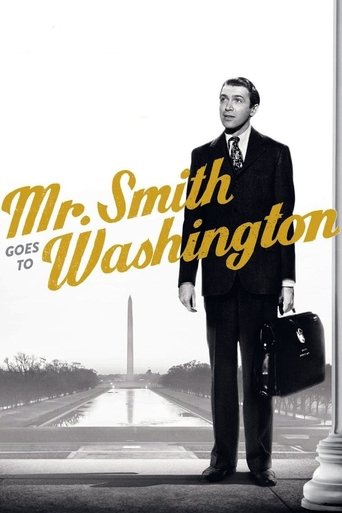
Beyond the director shelves, the reels are full of great filmmakers to discover. Billy Wilder made Double Indemnity, Sunset Boulevard, Some Like It Hot and The Apartment, moving effortlessly between noir and comedy. John Ford made Stagecoach, The Grapes of Wrath, My Darling Clementine, The Searchers and The Man Who Shot Liberty Valance, the backbone of the western. Frank Capra made It Happened One Night, Mr. Smith Goes to Washington and It's a Wonderful Life, warm fables about ordinary people standing up for what is right. Stanley Kubrick made The Killing, Paths of Glory, Dr. Strangelove, 2001: A Space Odyssey and Barry Lyndon, each a completely different kind of film. Following a director from reel to reel is one of the richest ways to explore classic cinema, and every film page lists its director.
A night of film noir
For a perfect night of film noir, choose a rainy evening, turn the lights down and start with The Maltese Falcon, with Humphrey Bogart as the private eye Sam Spade. Follow it with Double Indemnity, in which an insurance salesman is drawn into a deadly plan, and finish with The Third Man and its unforgettable chase through the sewers of Vienna. Three films, three shades of shadow, and a whole world of trench coats, cigarette smoke and sharp dialogue.
A night of musicals
For a joyful evening, try a night of classic musicals. Begin with Top Hat and the effortless dancing of Fred Astaire and Ginger Rogers, move on to Singin' in the Rain and Gene Kelly's famous splash through the puddles, and finish with the sweeping songs of The Sound of Music or the streets of West Side Story. Each belongs to a different reel, and together they show how the movie musical grew from intimate ballroom duets to vast, colourful spectacles. Keep the volume up and expect to find yourself humming for days.
A night of epics
For a long weekend evening, choose an epic. Lawrence of Arabia and its golden deserts, Ben-Hur and its chariot race, Doctor Zhivago and its snowbound romance, and Gone with the Wind and its burning Atlanta were all made to be seen on the biggest screen available, with an intermission in the middle. Pause halfway, as the original audiences did, make a cup of tea, and then settle back in for the second half. Watched this way, these films feel like an event, just as they did on their first nights.
The last reel
In the old picture palaces, the projectionist would thread the last reel of the night with care, knowing that the ending was what the audience would carry home. 7Reels hopes to leave you with the same feeling: that the great films of the past are still alive, still funny, still thrilling and still moving, and only a click away. Choose a reel, dim the lights, and enjoy the show. When the credits roll, come back for the next one, and let one classic lead you to another across the seven decades of the collection.
Questions
What is 7Reels?
7Reels is a guide to classic cinema in seven reels, one for each decade from the 1920s to the 1980s, with a shelf of classic television and a Watch now button on every title.
Why seven reels?
In the silent and early sound era, a feature film usually filled about seven reels of film, each running ten to twelve minutes. The name borrows that old unit of cinema.
How do I watch a film?
Open the title page, choose your country, press Watch now and pick one of the services that JustWatch lists.
Are the silent films easy to watch?
Yes. Most have been restored with music scores, and their intertitles are often translated.
Do the foreign classics have subtitles?
Yes. The official services offer subtitles in many languages for foreign-language classics.
How do I keep track of classic series?
Add the series to My List and mark the episode you reached on its season page. My List remembers it in your browser.
Can I move My List to another device?
Yes. Export My List to a small file, then import that file on the other device.
Are there free ways to watch classics?
Yes. Some classics are in the public domain in some countries, and free services and libraries carry many more. Press Watch now and choose your country to see the free options.
Where do the posters and details come from?
Posters, backdrops and production details come from TMDB, and streaming options come from JustWatch.
Which classics should I start with?
Casablanca, Singin' in the Rain, Rear Window, Some Like It Hot, Ikiru and The General are wonderful places to begin.